The realm of interior design is a complex interplay of aesthetics, functionality, and individual preferences. Each space tells a story, and effective interior planning hinges on understanding not just the physical layout but also the emotional and psychological needs of its inhabitants. This article delves into the personalized approaches that can be employed in creating design proposals, ensuring that every project meets the diverse requirements of its clients.
Understanding Client Needs
The heart of any successful design proposal lies in a deep understanding of client needs. Engaging in thorough consultations can help unearth preferences that may not be immediately apparent. For instance, consider a family with young children. Their priority might include durable materials and safety features, while an artist may require ample natural light and flexible spaces for creative work.
Surveys and questionnaires can be useful tools in gathering this information, but nothing replaces face-to-face discussions. These meetings should focus on lifestyle habits, daily routines, and specific desires regarding aesthetic elements such as color schemes or themes. Listening attentively to the client's vision is crucial; it allows designers to tailor their proposals accordingly.
Creating User Personas
One effective method for capturing client needs is through the development of user personas. These are fictional characters based on real data gathered during client consultations. By outlining key characteristics—such as age, profession, hobbies, and lifestyle—designers can create more focused proposals.
For example, a persona representing a young professional might prioritize sleek design with minimal clutter, while a retired couple may favor cozy spaces with easy access to outdoor areas. This strategic approach ensures that each design decision aligns with the intended user experience.
The Role of Space Planning
After establishing a clear understanding of client needs, space planning becomes the next critical step in the interior design process. Effective space planning requires an analysis of how individuals will interact with their environment.
Begin by assessing existing layouts to identify potential obstacles or inefficiencies. For instance, in an open-concept living area, careful placement of furniture can facilitate movement while creating distinct zones for various activities like entertaining guests or relaxing with family.
When designing commercial spaces such as offices or retail stores, traffic flow must also be considered. Layouts should promote both functionality and comfort for employees and customers alike. Designing with accessibility in mind ensures everyone feels welcome.
Technology Integration
In today's digital age, integrating technology into interior planning is essential for meeting modern expectations. Smart home systems that control lighting and temperature enhance convenience and energy efficiency. Designers should consider these technological advancements when drafting proposals.
A well-integrated technology plan not only enhances comfort but also adds value to properties—something especially important in competitive real estate markets. Clients appreciate designs that harmonize aesthetic appeal with cutting-edge functionality.
Selecting Materials Mindfully
Material selection plays a pivotal role in shaping both the look and feel of any space. Designers must choose materials carefully to ensure they align with client preferences while also accounting for sustainability concerns.
Natural materials such as wood or stone often resonate well due to their timeless appeal and association with nature. However, durability cannot be overlooked—especially in high-traffic areas where wear and tear are expected over time.
Many clients today express interest in eco-friendly options such as recycled materials or sustainable wood products sourced from responsibly managed forests. Incorporating these choices not only supports environmental stewardship but also creates unique aesthetic opportunities through innovative designs.
Balancing Aesthetics With Functionality
A successful interior plan strikes a balance between beauty and practicality—a challenge every designer faces at some point during their career. While it may be tempting to chase trends or showcase stunning pieces prominently featured online or in magazines, practicality should remain paramount.
For example, if working on a kitchen redesign for a family who cooks frequently together, an aesthetically pleasing layout must also facilitate ease of use during meal preparation activities. Thoughtful placements for appliances alongside sufficient storage solutions will enhance functionality without sacrificing visual appeal.
Personalization Through Color Schemes
Color has profound psychological effects on human emotions; thus selecting appropriate palettes tailored to client preferences is essential within any proposal context. Colors evoke feelings ranging from warmth to calmness depending upon chosen tones; this makes thoughtful consideration vital when crafting designs aimed at eliciting specific responses from inhabitants.
Working alongside clients during this phase allows designers insight into personal connections tied to particular colors—perhaps recalling fond memories associated with certain hues—or simply practical aspects like how natural light influences shades throughout different times of day.
For example:
- A family seeking vibrant colors may opt for bold accent walls paired with neutral furnishings. Alternatively,a business aiming for professionalism might prefer muted tones that convey sophistication without being overly stark.
By blending personal preferences into cohesive color schemes reflective of desired moods throughout spaces ensures lasting satisfaction post-design implementation.
Incorporating Cultural Influences
When creating tailored design proposals around specific needs culture often plays an integral role influencing decisions made along various touchpoints within projects undertaken by designers’ teams globally . Recognizing cultural nuances helps establish connections between users experiences within designed environments fostering deeper emotional ties enhancing overall satisfaction derived from them .
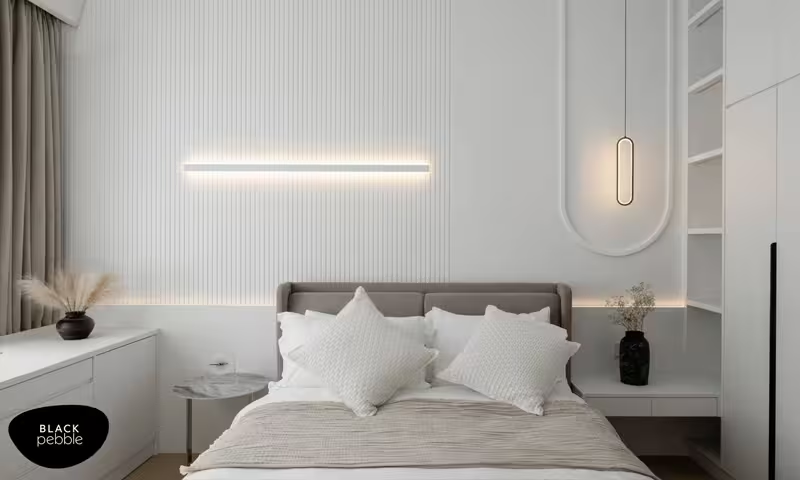
An example would be utilizing traditional patterns inherent within particular cultures when crafting textiles used across seating arrangements . This approach provides authenticity while honoring heritage bringing unique narratives alive through thoughtful integration keeping them relevant contemporary settings .
Similarly , showcasing locally sourced art pieces inspired by surrounding geography can add layers depth enriching environments allowing occupants engage more fully their immediate surroundings .
Flexibility And Adaptability
As life evolves so do spatial requirements necessitating flexibility adaptability built into initial designs conceived . Spaces need evolve accommodate changes stemming unexpected shifts whether new family members arrive , children grow older requiring different types engagement zones within homes or even unforeseen remote working arrangements changing dynamics traditionally established office environments .
Designers must think ahead anticipate future developments ensure proposed plans incorporate multi-functional aspects wherever possible . Furniture choices could feature convertible options allowing swift transitions between varied uses maximizing limited square footage effectively meeting changing demands over time .
This forward-thinking mindset coupled open dialogue continuous feedback loops established clients fosters trust promotes collaboration enhancing overall project outcomes ultimately leading richer more fulfilling experiences derived from thoughtfully curated interiors designed specifically unique individual requirements identified earlier during consultations held initially .
Final Thoughts
Interior planning transcends mere decoration; it embodies intention purpose rooted deeply within understanding each client's https://www.instagram.com/blackpebbledesigns/ distinctive narrative intertwined intricately throughout spaces crafted around them . By prioritizing personalized approaches grounded solidly upon thoughtful research guided conversations , designers can create environments exceeding expectations becoming true extensions lives lived therein .
Through comprehensive attention detail , balancing aesthetics functionality while keeping cultural influences forefront assists professionals navigate complexities associated tailoring designs around specific needs ultimately resulting beautiful harmonious atmospheres enjoyed all who inhabit them .
Black Pebble Designs - Interior Designer in Mangalore
Address: 1104 Planet SKS, Kadri, Mangaluru, Karnataka 575004
Phone: +91-8106071763
Email: [email protected]
Open Hours: Mon-Sun 9:00AM - 8:00PM